Table Of Content
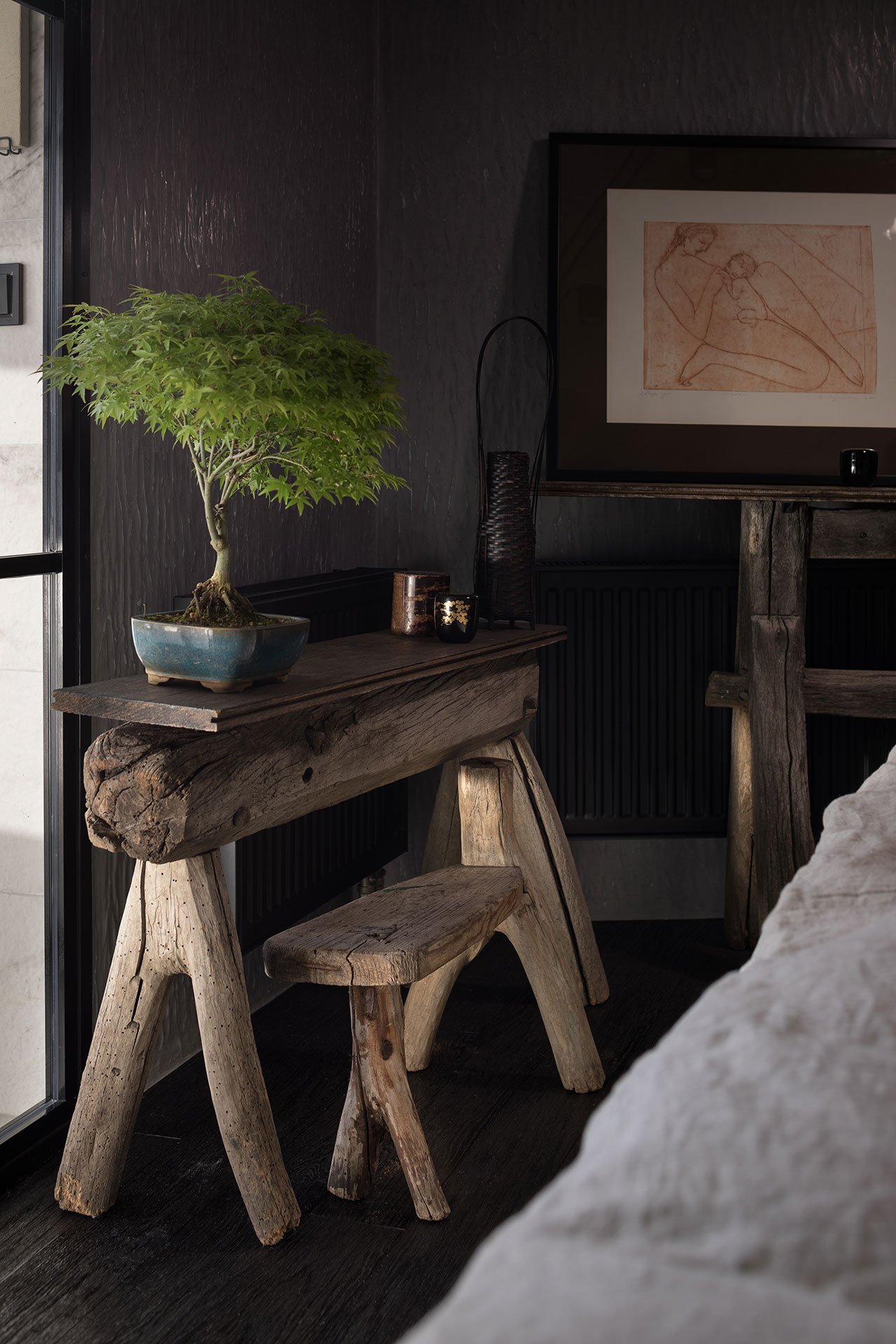
Handmade ceramics or carved trinkets tell a story and celebrate the beauty of flaws in a way something produced in a factory never could,' says Kara Piepmeyer of Studio Kosma. While Wabi Sabi has a unique philosophy and aesthetic, it has some similarities and overlaps with other interior design styles. Here are some other styles that share elements with Wabi Sabi interior design. Go for muted and earthy tones, choose raw furniture, imperfect pieces for decor and add crumpled linens to add to the look.
Homes That Embrace Wabi-Sabi Design
The personalized touches and subtle irregularities offer an authentic counterpoint to mass-produced pieces. With a focus on simplicity, the Japanese concept takes a less-is-more approach in decorating, placing value on the essential rather than the extravagant. Anything you bring into your home should be thoughtfully purchased and designed to last; the goal is simplicity, not necessarily minimalism. This concept of embracing authenticity instead of striving for perfection is still practiced in Japan today, but you won't find the word wabi-sabi in the Japanese dictionary. As Julie Pointer Adams explains in her book Wabi-Sabi Welcome, the philosophy is a combination of two different words.
Natural Materials
We can implement wabi-sabi by complementing the wall colors and its aged patches with appropriately colored furniture. This shows how the same philosophy of wabi-sabi incompleteness can affect the value of a product. If you're interested in incorporating Wabi Sabi style into your home, here are some ideas to get you started. For example, a hand-woven rug might feature irregularities in its pattern or color, which add to its beauty and character.
Barn-like house
Indoor trees and indoor plants add to the overall bloom scape and give your home a beautiful, welcoming vibe. In a subtle nod to the philosophy, clean lines were mixed with organic textures throughout the distinctly modernist interior. To embrace the airy aesthetic of wabi-sabi, it's not enough to go clutter-free—but open sightlines and clean design lines can definitely help you get the look. Clean, minimalist design is something both influences in Wijaya's "Japandi" style can appreciate since, in fact, clean lines are a calling card of both Scandinavian and Japanese furnishings.
Rustic teapots and accent bowls
Low-to-the-ground pieces can also help give off the effect of added "breathing room" in high-ceilinged spaces, which can feel very soothing. "Wabi-sabi is not just purely an aesthetic, but it's also a way of life," she says. Read on for her tips on how to get the style yourself, and how to know it when you see it. Wabi-Sabi interior design is not about creating a picture-perfect showcase home, but about crafting a space that resonates with the soul, tells a story, and embodies a quiet, humble beauty.
Add Cozy Throw Pillows
Rather than hiding flaws, this Japanese philosophy highlights the beauty in imperfection through the mindful incorporation of natural materials, weathered textures, and organic forms. The use of natural materials such as wood, stone, and linen is integral to a Wabi Sabi home, as they infuse the space with a sense of warmth and authenticity. These materials, which are often used in furniture and home decor, beautifully emphasize the wonders of the natural world. You can also incorporate houseplants and items made from natural and raw materials into your decor to create a soothing and organic atmosphere.
Nod to Japanese interior design with a beautifully handcrafted dining table and contrast of light and dark furniture. You can also set your wabi-sabi dining table with simple, mismatched tableware and unpolished silverware. According to the legend, the monk wanted to learn the ancestral art of tea ceremonies, in the process of which his tea master also asked that he look after the garden.
For example, instead of hanging a single painting dead center above the sofa, you might see a collection of artwork scattered organically across the wall. This arrangement feels more dynamic and gives the room a more comfortable, personal vibe. As previously mentioned, one of the foundational principles of Wabi-Sabi is appreciating beauty in imperfection, and this is clearly reflected in the use of weathered, worn furniture. While Western design may value pristine, flawless finishes, Wabi-Sabi finds elegance in aged pieces that proudly reveal their long history of use. By celebrating the inherent essence of these organic materials, Wabi-Sabi creates interiors rich in imperfect textures and natural patinas.
The space intertwines natural components and carefully curated art pieces, as well as highlights workmanship in every detail of the residence. Rustic style shares Wabi Sabi's emphasis on natural materials, imperfections, and warmth. However, rustic style can be more eclectic and maximalist, while Wabi Sabi is more understated and minimalistic. Similarly, notice the use of repurposed items in this living room such as the upturned bucket as a table. Such furniture elements help tell a story, which is exactly what wabi-sabi interior design attempts to do.
The awareness of the impermanence of all things helps us savor the present moment rather than long for a foregone past or an uncertain future. Wabi-sabi can complement many styles, from Scandinavian to Bohemian and even Industrial, for a unique blend of aesthetics. By now you would have realized that doing up your home the wabi-sabi way is also a step towards practicing sustainability.
This unique perspective has reached far beyond Japan, inspiring designers and artists worldwide. Influential figures like Marie Kondo have recognized the significance of Wabi Sabi in guiding our choices for selecting and arranging items in our homes, reflecting a positive approach to life. According to the Buddhist idea of Dukkha, life is fundamentally painful and unsatisfactory.
In the journey of creating homes that are not just visually appealing but soul-stirring, Wabi-Sabi interior design emerges as a path laden with the beauty of the authentic, the modest, and the transient. Adhering to the wabi sabi philosophy doesn't mean you have to overhaul your existing decor and start fresh. Struck suggests utilizing plaster and organic finishes that have natural imperfections. "Choosing these materials because of their inherent uncontrollable properties is part of the fun and magic of seeing a space come together," she explains. This results in "unfinished" but thoughtful design choices since imperfections add character and beauty to your interiors. “Wabi-sabi” is a Japanese term that essentially means finding beauty in imperfection.
Use materials like rattan, cane, and wood to add to the natural element of wabi-sabi design. Isn’t it strange how the most attention-grabbing art is often imperfect and raw? Much like how we find beauty in imperfection, there are schools of thought that are actually built around this ideology.
The philosophy of wabi-sabi views both life and design as ‘imperfect, transient, and unfinished. Values simplicity and the beauty of things in their most unprocessed and natural state. Wabi-sabi in interior design implies to choosing something natural and raw (for an authentic connection to nature and earth) over something manufactured in bulk.
Add final touches of wabi-sabi through handcrafted ceramics and a rough-hewn wooden coffee table. In wabi-sabi design, principles include sparse furniture arrangements, open floor plans to create spaciousness, and the use of multi-functional objects for clutter-free spaces. Embracing these principles can bring a sense of simplicity and beauty to your living space. Imagine how lovely it would be to give someone a home tour of your perfectly imperfect home? If you’re excited about incorporating wabi-sabi in your daily life, begin with these home design ideas. The interesting thing about wabi-sabi is that the concept is akin to the Scandinavian art of hygge, which focuses on minimalism and embracing happiness in the simple things in life.
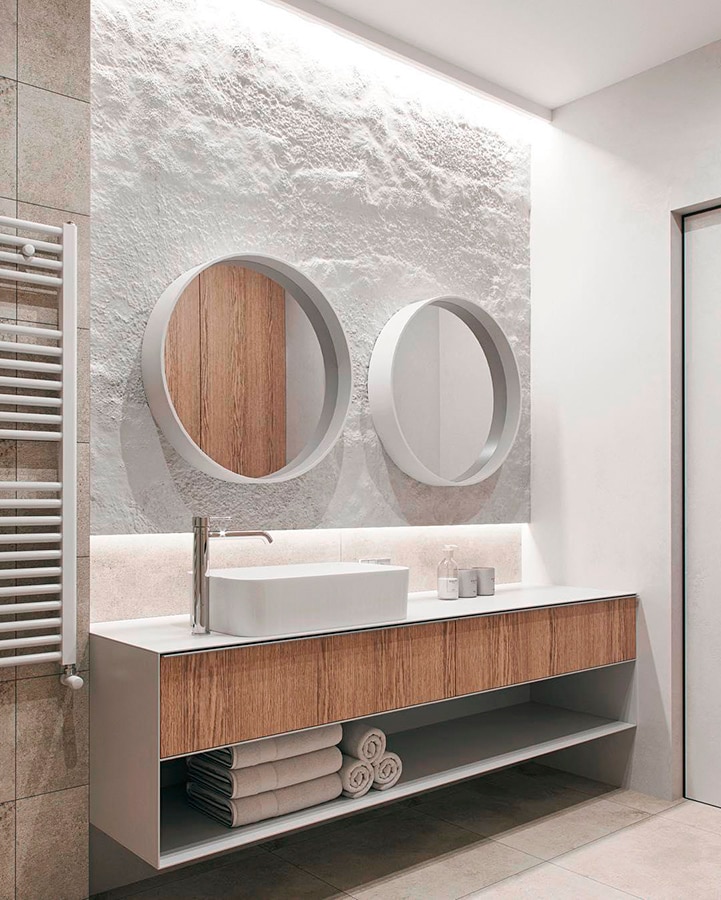
Each item in your home should have a purpose, whether it’s a chair you love to sit in or a painting that makes you happy. This might mean opting for a modern and highly comfortable sectional in the living room rather than filling it with multiple chairs and an excess of tables. It’s not about following the latest trends or making everything look like it belongs in a magazine. It’s about creating a home that’s comfortable, meaningful, and true to who you are. The same minimalist look reigns in a wabi-sabi bathroom style, but here, it has a cleansing and replenishing effect. Pick uplifting natural tones, stone or concrete countertops, and handmade decor like ceramic soap holders.


No comments:
Post a Comment